
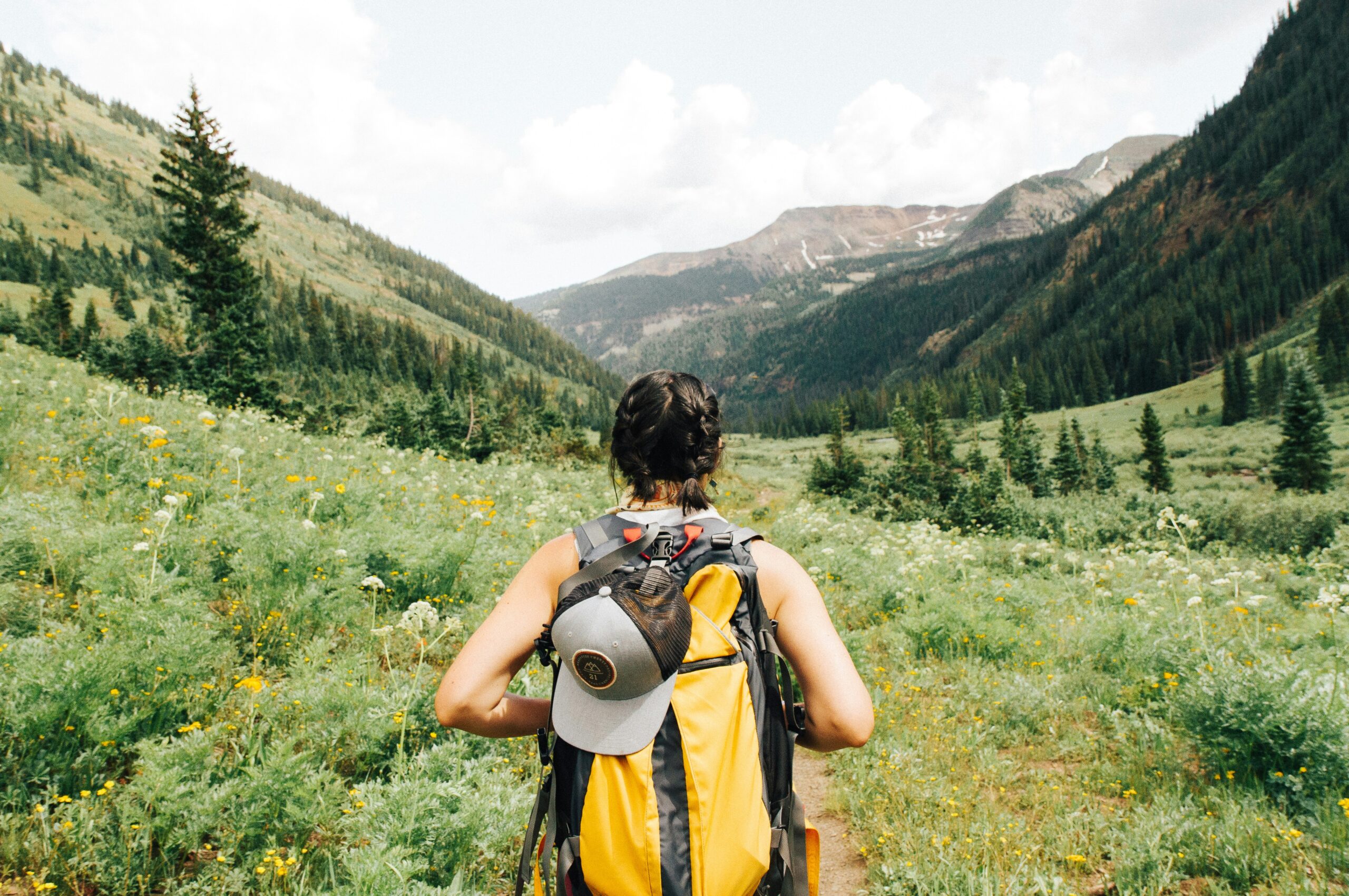
Feeling (and looking) right – A guide to women’s clothing when in the hills
By Helen Webber
Wearing the right clothing when hiking or hillwalking makes a real difference to how enjoyable, safe, and comfortable your experience is. Over the years, I’ve seen how ill-fitting or unsuitable clothes can quickly turn a fun day in the hills into a soggy, chilly, or uncomfortable slog. So, I want to share what I’ve learned, focusing on women’s hiking clothing and how to make practical choices no matter your experience level.
Why the Right Clothing Is Really Important on the Hill
I’ve had days where my clothing just wasn’t up to the job. Damp socks, chafing seams, or a soggy, windblown jacket can spoil a day’s walk. The right gear helps keep you dry, warm, and moving comfortably, and also protects you if the weather changes quickly. Safety comes first, and being properly dressed is a big part of that.
It’s easy to think that clothes for a casual walk in the park will do, but hillwalking gear is designed to deal with unpredictable conditions, sweat management, and temperature changes. When you climb higher, the wind picks up and temperatures drop, making good layers an essential part of every kit.
How Hillwalking Clothing Differs from Everyday Gear
Regular casual clothes, like jeans, cotton t-shirts, and street trainers, don’t handle wet, windy, or cold conditions well. Hillwalking and hiking gear focuses on moisture management (so you stay dry), protection from wind and rain, and letting you move freely even when climbing over rocks or up steep slopes. I’ve found that investing in a few technical clothing pieces makes a big difference, especially when the weather turns. You’ll also notice hiking-specific clothing often comes with smart features like vents, adjustable cuffs, and reinforced materials to help withstand scrapes on rocky paths or brambles.
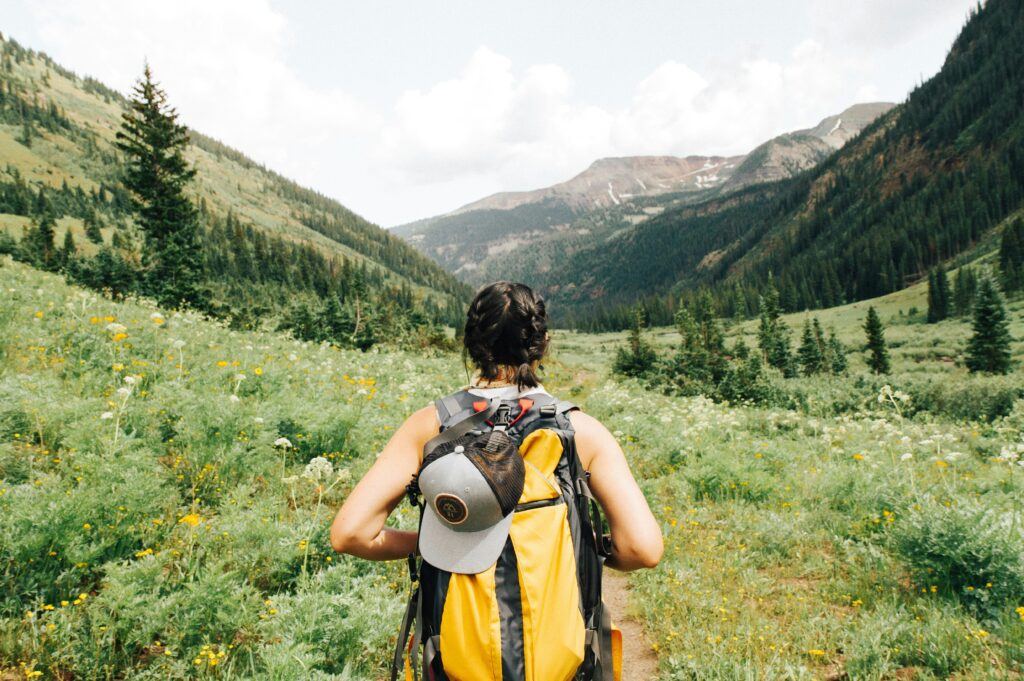
Photo by Holly Mandarich on Unsplash
Choosing a Solid Base Layer
The layer you wear next to your skin is really important. I always pick moisture-wicking fabrics because these pull sweat away, so you’re less likely to get chilly when you stop. Merino wool is one of my favorites. It’s soft, manages temperature well, and doesn’t get smelly easily. Synthetics work well too and dry even faster. I avoid cotton because it holds moisture, gets cold, and dries slowly, which is fine for a summer picnic but not safe on the hills.
I use short-sleeved base layers for warm weather and long-sleeved options during cold or windy hikes. They’re easy to swap as the weather changes, and you can wear them alone if the sun comes out but the air is breezy.
Sports Bras for Support and Comfort
A supportive sports bra with good breathability can be a game changer. I look for bras that don’t have bulky seams or rough straps since those can rub under a pack. Bras made with quickdry materials help stop the soggy feeling during and after a sweaty climb.
Thermal Tops and Bottoms for Colder Days
Thermal base layers trap warm air and help keep the chill off when temperatures drop. I pick lightweight thermals for most days and thicker ones if I know the forecast is cold or there’s snow expected. In practice, synthetic or merinofleece blends have performed best for me on frosty mornings. Consider choosing thermals that fit close to the body but don’t restrict movement, so you can layer up without feeling bunched up.
Mid and Outer Layers: Fleece, Insulation, and Waterproofs
Fleece jackets are a staple for me. Lightweight fleeces are great for layering and pack down small. Heavyweight fleeces offer more warmth when it’s really cold but can be bulky if you need to stow them. I tend to keep one lightweight fleece handy and add a thin insulated jacket for more warmth.
Insulated jackets come in both down and synthetic types. Down offers the best warmth for weight and packs away small. Synthetic insulation still works when damp, which makes it my top pick for damp climates or unpredictable weather. Many insulated jackets have adjustable hoods and pockets big enough for a map or gloves, which I find super handy on the trail.

Why Layering Works Better Than Just One Bulky Layer
Several thin layers do a better job of trapping warm air and controlling moisture. This system lets me add or remove items as conditions change. For example, I start a hillwalk with all my layers on, then pull off my outer jacket and fleece once I’ve warmed up, keeping only the base layer to wick sweat. Layering also makes it easier to fine-tune your temperature without overheating.
Waterproof and Windproof Jackets
I always carry a waterproof jacket, even if the forecast looks clear. Hardshell jackets give the best protection from heavy rain, while softshells are windproof and more comfortable to wear all day in dry, breezy weather. For me, breathability is key, since if you get clammy inside your jacket you’ll cool down too quickly when you stop. Pit zips or underarm vents help fine-tune airflow, and adjustable hoods keep rain out of your eyes during a downpour.
Pants for Protection: Waterproof, Stretchy and FastDrying Options
Waterproof overtrousers pull on over your hiking trousers if it starts raining hard. Some folks go for fully waterproof hiking pants instead, but I still take overtrousers so I have options. I’ve found quickdry, stretchy hiking trousers are usually most comfortable and help me scramble or step up steep bits without feeling restricted. Convertible hiking trousers (ones with zipoff legs) are handy for hot climates. In winter, thermal tights or long johns under sturdy hiking trousers keep my legs warm without overheating or restricting movement. Look for pants with reinforced knees and seat, especially if you find yourself crouching or scrambling on rough terrain.
Footwear and Socks for AllDay Comfort
Nothing ruins hillwalking more quickly than sore feet. I usually wear sturdy hiking boots when walking in remote, rocky, or wet areas. Trail shoes work for well-trodden paths or in dry, summer conditions, but boots offer more ankle support, better grip, and keep your feet dry longer. Fitting is really important. I always test boots with the socks I’ll be using on the day, to avoid tight or loose spots. Remember, your feet can swell during a long walk, so a little extra room is better than none.
Good hiking socks reduce blisters and keep your feet dry. I usually choose wool or synthetic blends because they breathe and dry quickly. On cold days, I use a thin liner sock under a thicker hiking sock for extra warmth and blister prevention, making sure nothing bunches up and rubs. You might also try socks with extra padding at the heel and toe for all-day comfort, especially on longer adventures.
Gaiters, and Why I Bring Them
For boggy, snowcovered, or long grass stretches, gaiters help keep water, grit, and debris out of my boots. They may look a bit old school, but they make a big difference when I’m crossing wet ground or muddy paths. I keep a lightweight pair at the bottom of my pack just in case.
Headwear and Gloves: Weather Protection from Top to Bottom
On hot, sunny days, I never go without a sun hat or cap to avoid sunburn and heatstroke. In colder weather, I switch to a fleece beanie or insulated hat to keep heat from escaping. Buffs and neck gaiters offer flexible warmth for your neck, face, or even as a lightweight hat or headband. In windy weather, wrapping a buff around your ears makes a surprising difference in comfort.
For gloves, I pack thin liner gloves for dexterity and touchscreen use, then pull on insulated or waterproof gloves when it’s cold or wet. If I use walking poles, I check gloves for sturdy palms to avoid wear. On the coldest days, I sometimes drop a couple of single-use hand warmers into my pack for a little comfort boost. You can also get rechargeable hand warmers if you plan frequent trips in cold weather.
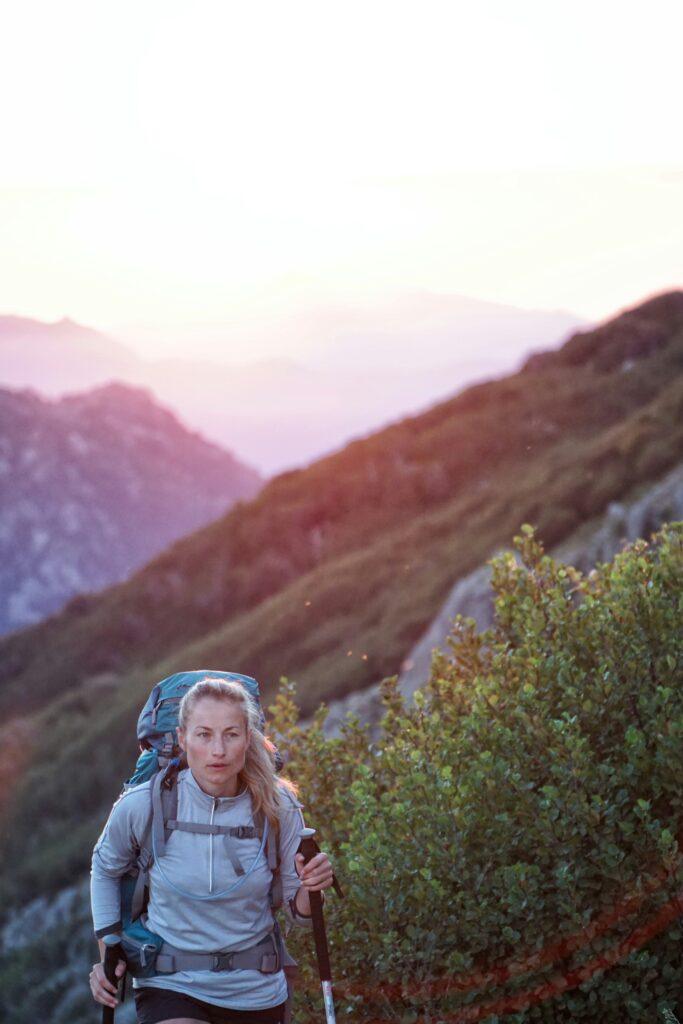
Photo by lucas Favre on Unsplash
Flexible Layering for Changing Weather
UK hillwalking is famous for weather that can switch from sunshine to soaking rain within an hour. I keep every layer easy to reach so I can adjust quickly as soon as I notice changes. Bright clothing is helpful for visibility in fog or low light, and a few reflective patches add safety if I end up on the hill at dusk.
If hiking overseas, I tweak my kit. For alpine conditions, I swap in heavier thermals and more insulation. In desert or tropical zones, I pick ultralight, UV-protective fabrics and focus on sun protection with hats and airy layers. Local guides or hiking forums are great for getting tips on region-specific must-haves.
Other Useful Gear to Keep Clothing Safe and Dry
A waterproof cover for my backpack is a simple way to protect spare clothing from soaking rain. When I carry extra clothes, such as a backup base layer, thick socks, or midlayer, I stash them in a light dry bag, so I can always swap into something dry if needed. I make room for a few comfort extras, like a spare pair of gloves, particularly in winter. For overnight trips, bring clothes in separate dry bags and keep your sleeping layer totally separate from hiking clothes.
Sustainability, Fit, and Women’s Specific Choices
Buying sustainable or recycled-fabric hiking clothes helps reduce impact and often means high quality materials. I try to repair my gear rather than replace it after minor snags, and sometimes buy secondhand from trusted outdoor shops or online groups.
Women-specific hiking clothing fits better through the waist, hips, and chest, which stops chafing from loose fabric or a too tight cut. Underwear designed for sports avoids seams or fabrics that rub. For those times I’m hiking during my period, I wear darker bottoms, bring a few extra supplies, and plan for easy access clothing changes when needed.
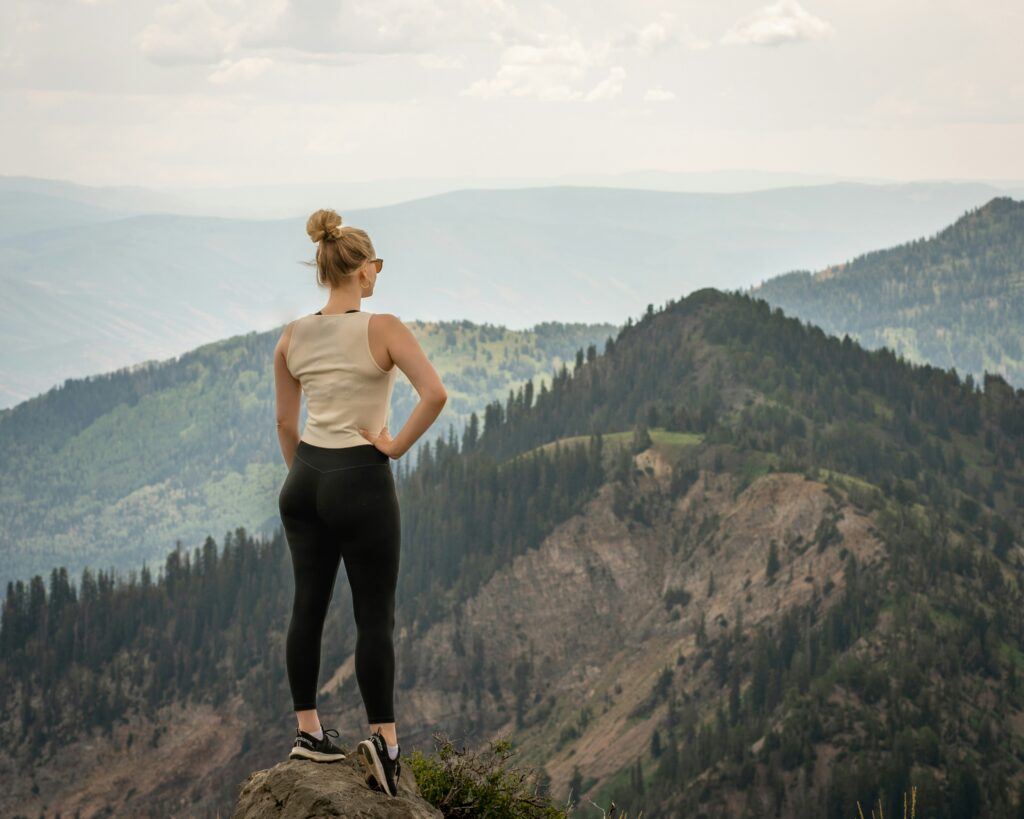
Photo by Brandon Zacharias on Unsplash
Quick Practical Tips from My Experience
- Test every piece on a short walk before a big hike.
- Always check the weather forecast the night before and again in the morning.
- Bring a full set of layers, including an emergency warm layer and dry socks, even in summer.
- Focus on comfort, breathability, and freedom of movement over style.
- Practice adjusting your layers so you can change quickly if the weather turns.
- If walking with others, encourage everyone to pack similar layers; spares could come in handy if anyone gets caught short.
- Keep some safety pins or duct tape in your kit for quick repairs to torn clothing in the field.
- Rotate your socks and let your boots dry overnight to stay comfortable for back-to-back days on the trail.
FAQ: More Advice for Women’s Hiking Clothing
Question: What’s the best layering system for mixed weather?
Answer: A three-layer system usually works: breathable base, insulating mid-layer, waterproof outer. I keep a packable insulated jacket in my backpack, just in case.
Question: How do I stay comfortable on longer hikes?
Answer: Good socks, a properly fitted sports bra, soft base layers, and flexible trousers make a huge difference. Stop regularly to adjust layers and check for chafe. Bring a snack and hydrate consistently.
Question: Is hiking gear worth the cost?
Answer: I’ve found that quality hiking clothes last years and keep me much more comfortable and safe. Buying secondhand or repairing your gear helps spread out the investment. Try checking out local gear swaps or borrowing from friends before investing in pricey pieces.

Leave a Reply